How Sliding Doors Provide Natural Light
Elevate Your Space: Creative Ways to Use Sliding Door Solutions in Home Interior Design
Sliding doors have risen to prominence as a functional yet elegant option in modern interior design. They offer flexibility in space utilization, permitting homeowners to define individual spaces without sacrificing openness. Their diverse designs and finishes can complement any interior aesthetic. However, the potential applications of sliding doors go beyond mere aesthetics. Learning how to strategically use them could redefine a home's practical layout. What inventive possibilities might one explore?
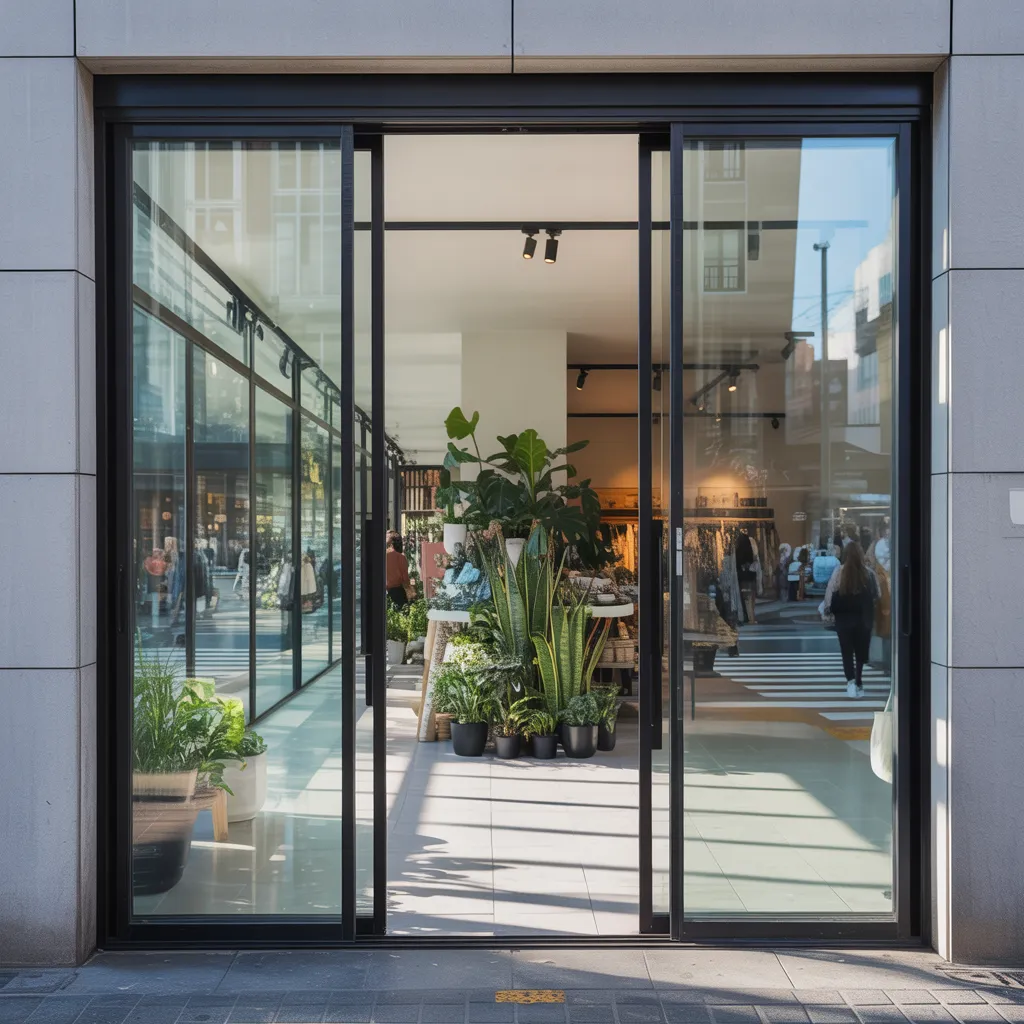
Picking the Ideal Sliding Door Style for Your Home
When selecting a sliding door style for a home, homeowners should consider both functionality and aesthetics. The selection of material plays a vital role; options such as glass, wood, or metal can significantly impact the overall appearance and atmosphere of a space. For a modern aesthetic, sleek glass doors may add a refined quality, while wooden doors can bring warmth and a classic appeal.
In addition, the door layout is a key consideration. Single, double, or pocket-style sliding doors each offer distinct advantages, based on the room's layout and size. Homeowners should also consider the door's color and finish, to ensure it blends seamlessly with the existing décor and promotes a cohesive aesthetic.
Lastly, energy efficiency is an important factor; selecting insulated options can help maintain comfortable temperatures. By harmonizing design with everyday practicality, homeowners can improve their living areas by selecting the ideal sliding door.
How to Optimize Natural Light Through Sliding Doors
Optimizing natural light using sliding doors has the power to transform any space, producing a welcoming and open environment. In order to accomplish this, homeowners are encouraged to install oversized glass sliding doors that let generous amounts of sunlight stream inside. Choosing frameless styles can significantly boost this sense of openness, reducing obstacles to the passage of light.
Placing sliding doors deliberately, such as opening toward a outdoor space or patio, enhances the connection between indoor and outdoor environments. Additionally, incorporating light-reflecting elements, like decorative mirrors or pale furniture, can boost the natural light brought in by the doors.
Selecting translucent or semi-transparent curtains can preserve privacy while still permitting natural light to enter. Furthermore, selecting sliding doors that open completely eliminates obstructions, thus enhancing the visual and physical space. By carefully considering design elements and placement, sliding doors can serve as a beautiful conduit for natural light, enriching the overall ambiance of any interior.
Perks of Using Sliding Doors as Room Dividers
Sliding doors function as efficient room dividers, optimizing space in various interior layouts. They allow for adaptable arrangements while preserving an open atmosphere, enhancing the overall flow of a room. Additionally, these doors boost natural light distribution, creating a brighter and more inviting environment.
Space Optimization Advantages
Employing sliding doors as room dividers transforms spaces by improving both functionality and aesthetics. These doors offer a flexible solution for maximizing space, enabling areas to be rearranged easily according to preferences. Unlike traditional doors, sliding doors do not require swing space, making them well-suited for smaller reference rooms where every inch is valuable. This quality allows more productive use of available floor space, enabling furniture arrangements that might otherwise be difficult. Additionally, sliding doors can establish distinct zones within open-concept areas, offering privacy when needed while maintaining an airy feel. Their flexibility allows seamless movement between spaces, contributing to a more efficient and efficient environment, ultimately enhancing the overall living experience.
Enhanced Natural Light
Natural light plays an essential role in improving the atmosphere of indoor areas, and sliding doors offer an ideal solution to enhance this quality. When utilizing sliding doors as interior partitions, homeowners are able to achieve an uninterrupted movement of light between spaces, minimizing reliance on artificial lighting. These doors, often constructed from glass, allow sunlight to penetrate deeper into the home, lighting up even the most shadowed spaces. Moreover, they deliver adaptability in styling; when opened, they create an expansive feel, making spaces appear larger and airier. This versatility not only enhances natural light but also fosters a connection with the outdoors, welcoming the exterior landscape into the home. At their best, sliding doors can revolutionize the way light moves throughout a household.
Sliding Doors for Greater Privacy
Although many homeowners value openness in their living areas, adding sliding doors can significantly improve privacy without compromising style. These adaptable elements enable the formation of private zones within an otherwise open floor plan. To illustrate, sliding doors can successfully isolate a home office from the central living area, creating a tranquil haven for work or study.
Furthermore, frosted or patterned glass options can deliver visual privacy while still allowing light to permeate the space. This balance between seclusion and brightness is particularly useful in urban environments, where visual and auditory disturbances are common. Moreover, sliding doors are ideal for hiding laundry rooms or storage spaces, maintaining a tidy aesthetic throughout the home. By thoughtfully integrating sliding doors, homeowners can embrace the dual advantages of seclusion and sophistication, building functional and appealing environments that meet their evolving needs.
Imaginative Areas for Sliding Doors Across Your Home
Sliding doors may be thoughtfully positioned in numerous spots within a home to enhance both functionality and aesthetics. In open-plan living areas, they serve as seamless dividers, enabling adaptable room arrangements while keeping the space feeling expansive. Placing sliding doors between the lounge and dining space can allow for effortless adjustments during social events.
Within bedrooms, sliding doors are able to provide convenient access to closets or en-suite bathrooms, making the most of available space and keeping clutter to a minimum. They are also able to open onto outdoor patios, bridging the gap between indoor and outdoor living.
Furthermore, they can be incorporated into home offices, providing privacy when desired, yet easily sliding back to support collaboration. As a final point, incorporating sliding doors in hallways can create elegant storage solutions or reading nooks. Each of these spaces strengthens both the practicality and aesthetic appeal of a home, demonstrating the adaptability of sliding door designs.
Upkeep Tips for Long-Lasting Sliding Doors
To keep sliding doors remain visually appealing and operational, routine upkeep is necessary. Establishing a consistent cleaning schedule reduces the accumulation of grime and particles, while regular examinations of the roller mechanisms can identify potential issues before they escalate. These practices contribute to the durability and efficient performance of sliding doors throughout any environment.
Consistent Cleaning Schedule
A consistent cleaning schedule is crucial for sustaining the functionality and aesthetics of sliding door systems. Regular dusting keeps dirt from collecting, which can cause scratches and reduce aesthetic value. Applying a soft cloth and light detergent, one should wipe down the glass and frame weekly to ensure a spotless look. In addition, the tracks require careful attention, as accumulated debris may block motion; using a vacuum or brush works well to clean this space. It is strongly recommended to look for traces of dampness or mildew, especially in humid environments, and resolve these issues quickly. By adhering to this routine, homeowners can extend the lifespan of their sliding doors while preserving their aesthetic appeal and functionality.
Check Rollers Regularly
Regularly inspecting the rollers of sliding doors is essential for ensuring smooth operation and longevity. These components are vital for the door's functionality, and any deterioration or harm can lead to operational issues. It is wise to look for debris, dirt, or rust that may impede functionality. Additionally, evaluating the positioning of the rollers can prevent further complications, such as improper positioning or sticking. If any irregularities are detected, replacing the rollers promptly can save time and money in future repairs. Treating the rollers with lubricant with suitable solutions can also enhance their performance and extend their lifespan. By adopting this easy care routine, homeowners can benefit from the decorative and operational qualities of sliding doors for the long term.

Popular Questions We Receive
Is It Possible to Use Sliding Doors Effectively in Small Spaces?
Sliding doors can be effectively used in small spaces, as they demand no rotational clearance, optimizing the available floor space. Their versatility allows for innovative room separation and increased natural light, fostering a bright and open environment.
Which Materials Work Best for Sliding Doors?
Glass, wood, and metal serve as excellent materials for sliding doors, each providing distinct visual appeal and practical benefits. Wood delivers a natural warmth, glass promotes better light distribution, and metal introduces long-lasting durability, catering to various design preferences and space requirements.
How Do Sliding Doors Affect Home Resale Value?
Sliding doors can significantly boost home resale value by improving visual appeal, maximizing space utilization, and boosting natural light. Prospective buyers commonly seek modern upgrades, making properties with sliding doors more appealing in highly competitive housing markets.
Are Sliding Doors an Energy-Efficient Option?
Sliding doors are able to be energy-efficient when properly installed and insulated. Their wide glass surfaces let in natural light, but quality materials and seals are essential to limit heat transfer, improving the overall energy efficiency of a home.
Am I Able to Install Sliding Doors by Myself?
Certainly, it is possible to install sliding doors independently, given that one has fundamental carpentry knowledge and the appropriate equipment. Nevertheless, adhering to the manufacturer's instructions and taking accurate measurements remains important for a proper setup and the best possible results.